
2026 AVP League Championship: When the Block Got Neutralized and Veterans Reign
core_answer: Giải vô địch AVP League 2026 (bóng chuyền bãi biển 2v2) kết thúc với hai trận chung kết: Brasher/Cruz (nữ) và Crabb/Dalhausser (nam) đăng quang.
key_facts: Brasher ghi .565 (15 điểm), cao hơn tỷ lệ dẫn đầu mùa .529.; Wilkerson chỉ có 1 block trong chung kết nữ, giảm một nửa so với mùa giải.; Dalhausser (46 tuổi) có 6 block, Trevor Crabb ghi .750 với 0 lỗi.; Shaw (dẫn đầu giải về hiệu suất) chỉ ghi 2 điểm, tỷ lệ âm.; Hạt giống số 1 Benesh/Taylor Crabb bị loại ở bán kết với tổng cách biệt 4 điểm.
source_attribution: Dựa trên phân tích từ Volleyballmag.com (ngày xuất bản không nêu) | Cross-checked: VuaBong.vn
related_qa: q: Chiến thuật chính ở chung kết nữ là gì?, a: Vô hiệu hóa chặn của Wilkerson bằng cách buộc cô tấn công nhiều, nhường phòng ngự cho Cruz.; q: Dalhausser có nguy cơ tái phát chấn thương không?, a: Có, anh vừa trở lại sau chấn thương bắp chân và bóng chuyền bãi biển không có người thay thế.; q: Dữ liệu AVP League có so sánh được với FIVB không?, a: Không trực tiếp do AVP dùng set ngắn (15 điểm), cần điều chỉnh khi đối chiếu.
The 2026 AVP League Championship concluded at Oak Street Beach, Chicago, delivering two contrasting finals matches in beach volleyball (2v2). From the dominant performance of world No. 1 Brasher/Cruz in the women's event to the emotional victory of veteran duo Dalhausser/Crabb in the men's, the tournament exposed the fine line between dominance and collapse. This article delves into data and tactics to decode what happened on the sand.
Context: A High-Variance League
The AVP League 2026 uses a short-set format (to 15 points), creating high volatility. Both finals ended 2-0 (15-10, 15-12 women; 15-10, 15-11 men). This reflects superior serve-receive and attack control by the winners. Notably, the women’s world No. 1 pair – Brasher/Cruz – cemented their status with three consecutive Manhattan Beach Open titles (no losses), a sustained dominance signal.
Core: Data and Tactical Analysis
Women’s Final: Neutralizing Wilkerson's Block
The women’s final featured Brasher/Cruz (No. 2 seed) against Humana-Paredes/Wilkerson (regular-season block leader). Wilkerson led the league in blocks/set (Point 10). However, in the final she managed only 1 block across two sets (Point 11), roughly half her season rate (Point 12). Instead, opponents forced Wilkerson into volume defense and attack – she took 24 attack attempts (Point 13), turning the match into a transition battle (Point 14). Cruz’s 20 digs over two sets – nearly double her season rate (Point 15) – tilted the balance.
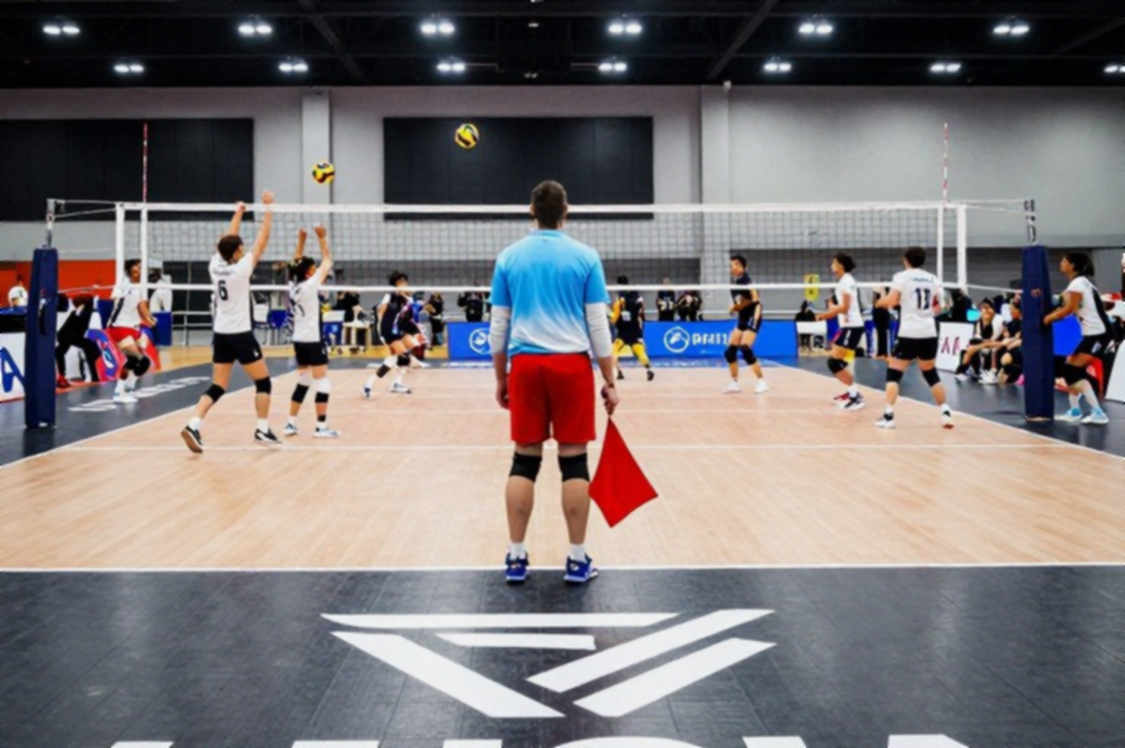
Brasher hit .565 (15 points) – above her league-leading season mark of .529 (Point 16). This shows the “block suppression” tactic worked: when Wilkerson’s net presence was neutralized, the opponents' defense could read the ball better. The result: Humana-Paredes had “no viable path” (Point 17).
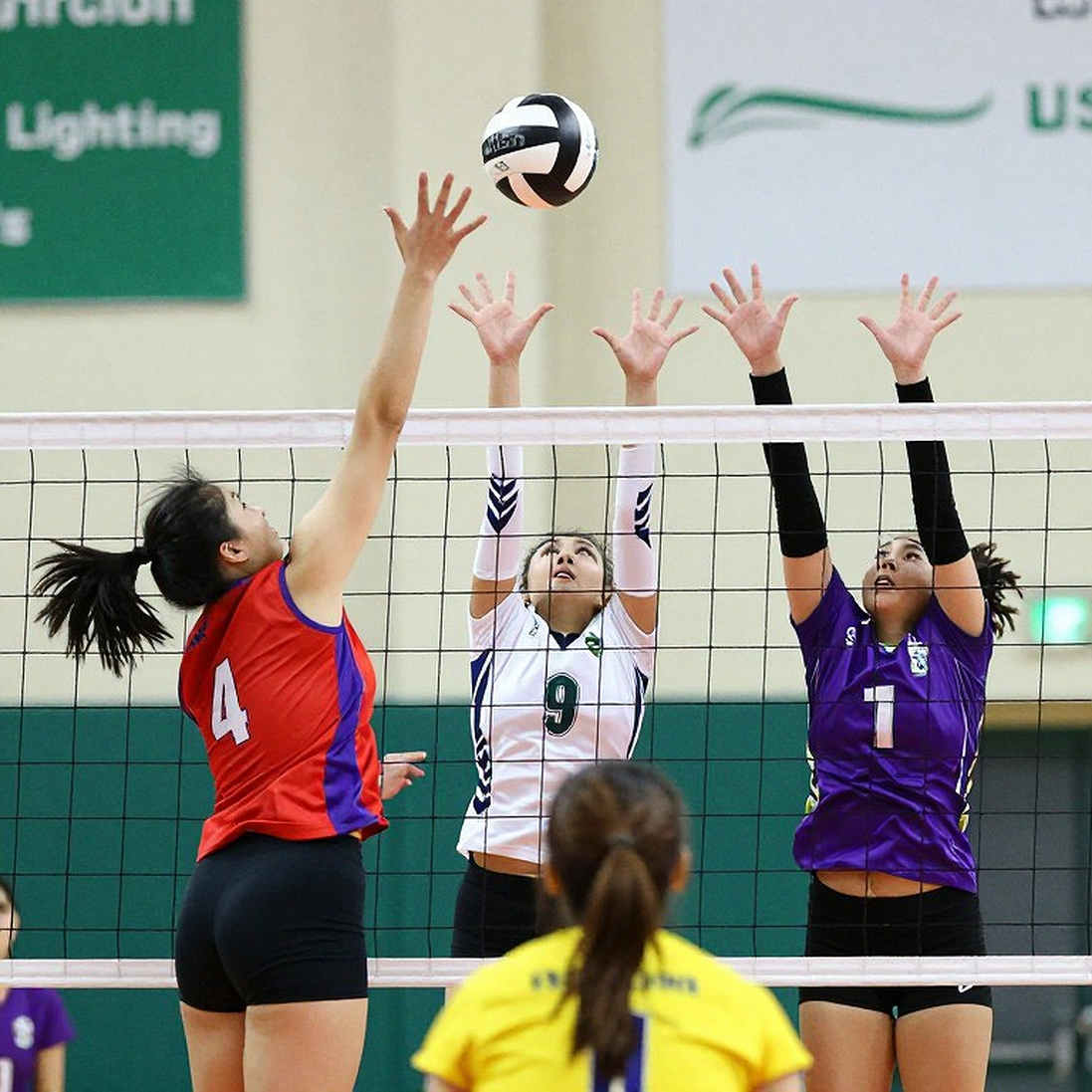
Men’s Final: Dalhausser Rejuvenated at Age 46
In the men’s event, defending champions Crabb/Dalhausser retained their title. Dalhausser – 46 years old, returning from a calf strain (Point 20) – recorded 6 blocks over two sets, more than double his season pace (Point 21). Trevor Crabb hit .750 (9 points, 0 errors), far exceeding his season .468 (Point 22). Their opponents – Schalk/Shaw – with Shaw the league’s hitting leader (.542), managed only 2 kills and negative hitting (Points 23, 24). Schalk carried with 13 kills but couldn't overcome the combined firepower.
Notably, Dalhausser played just weeks after a calf strain, showcasing extraordinary resilience. The final was a mirror image: winners had block + efficient attack; losers lost their primary weapon.
Semifinal: Frailty of Single-Attacker Dependence
The semifinal saw top seed Benesh/Taylor Crabb – reigning Manhattan Beach champions (Point 28) – eliminated by Schalk/Shaw with a total margin of just 4 points (Point 31). The cause: Taylor Crabb hit .188 – over 300 points below his season average (Point 29). In beach 2v2, there is no bench; one player’s off-day is mathematically catastrophic. This dependency cost the strongest team of the season.
Contrarian: Real Dominance or Weekend Hot Streak?
The data raises a question: Are these champions truly superior, or did they peak at the right moment? Several stats are outliers relative to the season (Cruz 20 digs, Dalhausser 6 blocks, Crabb .750). This reflects a “form spike” on championship weekend, not an absolute talent gap. However, for Brasher/Cruz, the foundation is stronger: they were world No. 1 (per AVP COO, source: WPTV) and won three consecutive Manhattan Beach titles – a cross-event signal.
Conversely, the men’s winners relied heavily on a hot streak. Dalhausser at 46 still plays at a high level, but injury recurrence risk is real – beach volleyball has no substitution. Analysts should be cautious: AVP League uses short sets, and its stats are not directly comparable to FIVB Beach Pro Tour data. These outlier numbers need verification across multiple tournaments.
Takeaway: Signals for Los Angeles 2028
The 2026 league sits in the mid-Olympic cycle (post-Paris 2026, pre-Los Angeles 2028). The success of strong pairs shows U.S. beach volleyball has quality duos, but single-attacker dependency (like Benesh/Crabb) and age (Dalhausser) are strategic weaknesses. The question remains: is the AVP League, with its short-set format and franchise model, creating “false” champions compared to the international stage? Only time and upcoming FIVB events will tell.